What Property Developers Need to Know About Passive Fire Compliance in NZ
Passive fire compliance is one of the most critical (and often underestimated) aspects of commercial construction in New Zealand. For property developers, project managers, and commercial builders, it plays a direct role in whether a project achieves Code Compliance Certificate (CCC) sign-off on time and without costly rework.
Despite its importance, passive fire protection is frequently treated as a secondary consideration, addressed late in the build. This approach introduces significant risk. Compliance failures are common, and rectification work can delay handover, increase costs, and create long-term liability.
Understanding how passive fire compliance works, and how to manage it effectively, is essential for delivering successful commercial projects.
What Is Passive Fire Compliance?
Passive fire compliance refers to meeting all NZ Building Code fire requirements related to fire containment, structural protection, and fire separation within a building.
Unlike active fire systems such as sprinklers and alarms, passive fire systems are built into the structure. They are designed to:
- Contain fire within defined compartments
- Protect structural elements
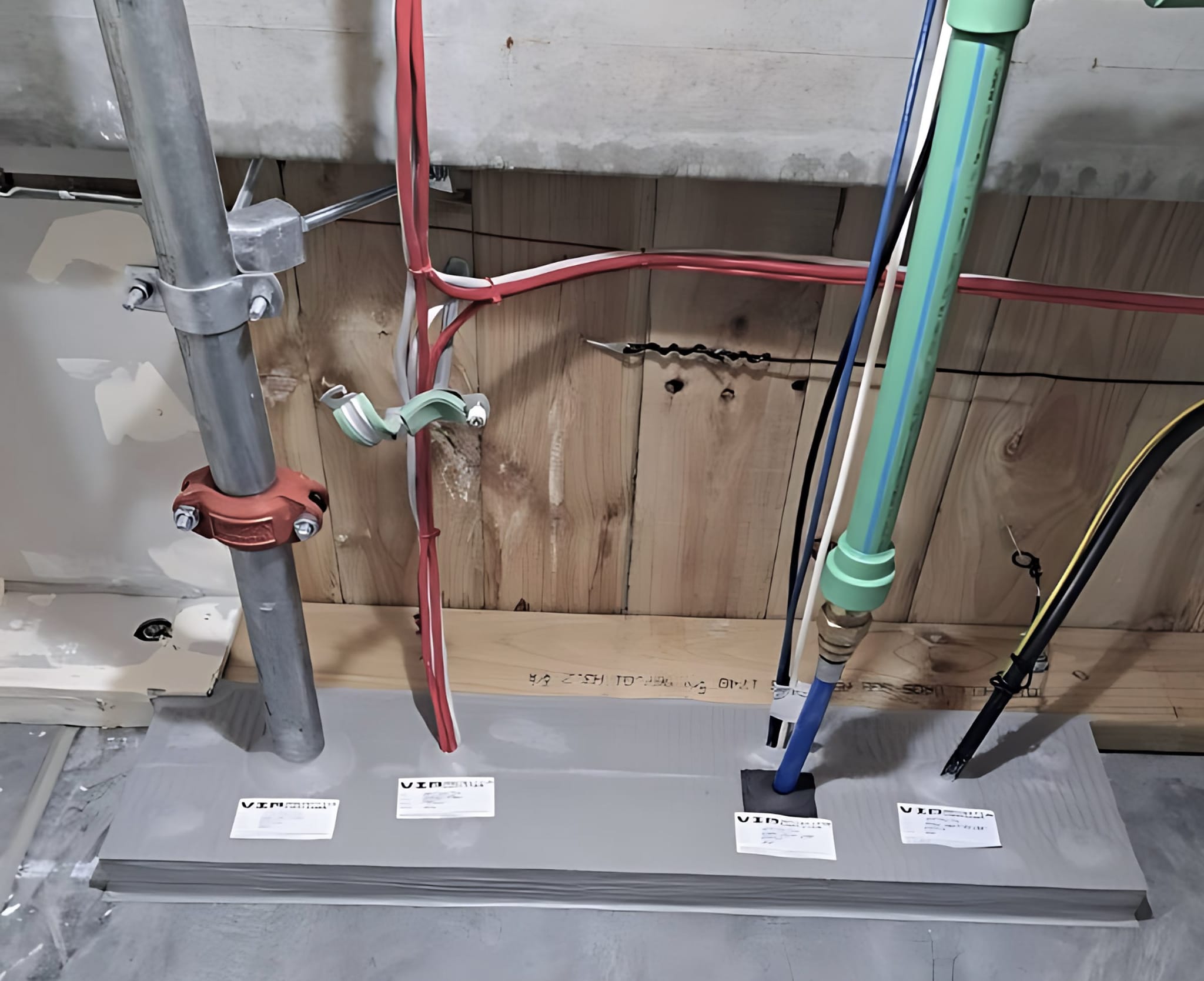
- Prevent fire and smoke spread through penetrations
- Maintain safe evacuation paths
These systems must meet strict performance criteria and be installed exactly as specified by fire engineers.
NZ Building Code Fire Requirements
In New Zealand, passive fire systems are governed by the C Clauses (C1–C6) of the Building Code.
These clauses address:
- Limiting fire spread within and between buildings
- Ensuring structural stability during a fire
- Protecting escape routes
- Allowing safe access for fire services
Fire engineers interpret these requirements and develop fire strategies for each project. These strategies define:
- Fire resistance rating (FRR) requirements
- Locations of fire compartments
- Approved fire stopping systems
- Structural fire protection requirements
For property developers, it is critical that these specifications are implemented correctly on site.
Key Components of Passive Fire Systems
Passive fire protection is made up of several interconnected systems. Each plays a role in maintaining compliance.
Fire Compartmentation
Buildings are divided into fire compartments using fire rated walls and floors. These compartments limit fire spread and protect occupants.
Fire Rated Penetrations
All service penetrations (including pipes, cables, and ducts) must be sealed using approved fire stopping systems. Even small gaps can compromise an entire compartment.
Structural Fire Protection
Steel structures often require intumescent coatings or cementitious fire protection to achieve the required FRR.
Fire Rated Joint Systems
Expansion joints, seismic joints, and interpanel joints must be sealed using fire rated systems that maintain performance during movement.
The Role of Fire Resistance Rating (FRR)
Fire resistance rating (FRR) defines how long a building element can withstand fire exposure.
Typical ratings include:
- 30 minutes
- 60 minutes
- 90 minutes
- 120 minutes
- 180 minutes
- 240 minutes
Each component of a building must meet the specified FRR. This includes:
- Walls and floors
- Structural steel
- Penetrations and joints
- Roofs
Failure to achieve the required FRR is one of the most common reasons for non-compliance.
Documentation and Compliance Process
Passive fire compliance is heavily documentation-driven. Installation alone is not enough, every system must be supported by evidence.
Key documentation includes:
- Fire engineer specifications
- Product technical data sheets
- Installation records
- Inspection reports
- PS3 (installer producer statement)
- PS4 (inspection producer statement)
Without complete and accurate documentation, councils will not issue a Code Compliance Certificate.
Common Passive Fire Compliance Failures
Across commercial projects in NZ, several recurring issues cause delays and compliance failures.
Incomplete Fire Stopping
Unsealed or poorly sealed penetrations are one of the most common problems.
Incorrect Systems Used
Using non-tested or non-approved systems invalidates compliance.
Poor Coordination Between Trades
Services are often installed without considering fire compartmentation requirements.
Damage After Installation
Fire stopping systems are frequently damaged during later stages of construction.
Missing Documentation
Even compliant systems can fail if documentation is incomplete.
Council Inspections and Sign-Off
During the fire inspection process, councils assess both installation quality and documentation.
They look for:
- Correct installation of fire stopping systems
- Compliance with fire engineer specifications
- Complete documentation and producer statements
If issues are identified, property developers may be required to:
- Open up walls and ceilings
- Reinstall systems
- Provide additional certification
This can significantly delay project completion.
Who Is Responsible for Passive Fire?
Passive fire compliance involves multiple parties:
- Fire engineers (design and specification)
- Contractors (installation)
- Inspectors (verification)
- Project managers (coordination)
- Property Developers (overall responsibility)
Ultimately, property developers carry the risk if compliance is not achieved.
Why Early Engagement Matters
Engaging passive fire specialists early in the project significantly reduces risk.
Benefits include:
- Correct system selection
- Better coordination of penetrations
- Reduced rework
- Improved documentation
- Smoother council sign-off process
Early planning ensures that compliance is built into the project, rather than addressed at the end.
Passive Fire in Multi Unit Developments
Multi unit developments present additional challenges due to:
- Intertenancy fire walls
- Complex service penetrations
- Acoustic and fire rating requirements
- Multiple floors and compartments
These projects require a higher level of coordination and expertise to achieve compliance.
Conclusion
Passive fire compliance is a critical component of commercial construction in New Zealand. It requires careful planning, coordination, and documentation at every stage of a project.
For property developers, the key to success is early engagement, clear communication, and working with experienced fire professionals. By prioritising passive fire systems, projects can achieve compliance efficiently and avoid costly delays.