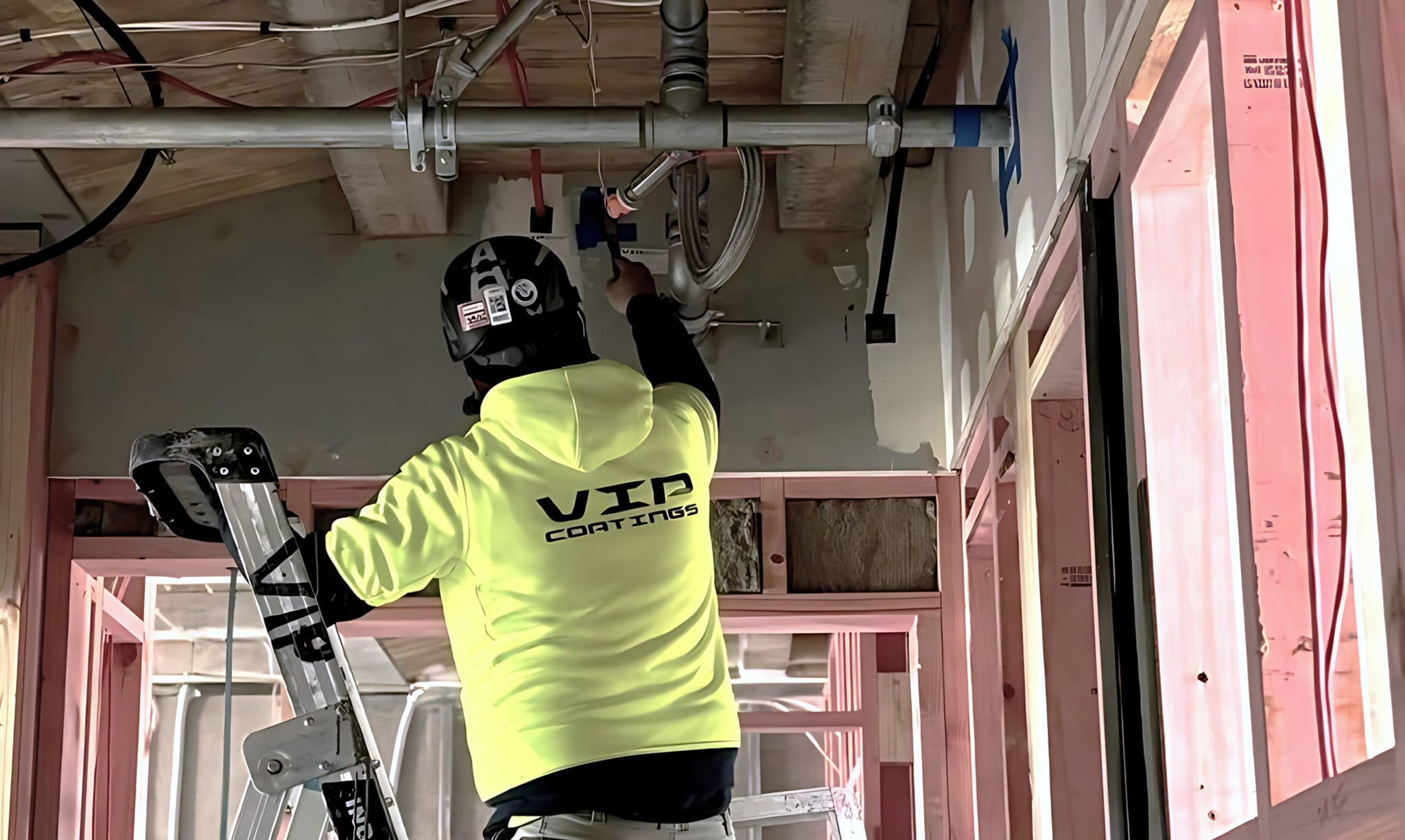
The Difference Between Passive and Active Fire Protection
When it comes to fire safety in commercial construction, understanding the difference between passive fire protection and active fire protection is critical. These two systems work together to protect buildings, occupants, and assets, but they serve very different roles in achieving fire compliance under the NZ Building Code.
For developers, project managers, architects, and builders, misunderstanding this distinction can lead to compliance failures, costly remediation, and delays in council sign-off.
What Is Passive Fire Protection?
Passive fire protection refers to built-in systems designed to contain fire, slow its spread, and maintain structural integrity without requiring activation.
These systems are integrated into the building’s structure and include:
- Fire Cells
- Fire rated walls and fire separation walls
- Fire compartmentation systems
- Fire rated penetrations and service penetrations
- Fire stopping systems and fire rated sealants
- Fire rated collars, wraps, and boards
- Structural steel fire protection such as intumescent coatings
The primary goal of passive fire systems is to divide a building into fire compartments. This limits the spread of fire and smoke, allowing occupants time to evacuate and emergency services to respond.
In New Zealand, passive fire protection must comply with NZ Building Code fire requirements, particularly the C Clauses (C1–C6), and is typically verified through documentation such as PS3 passive fire and PS4 passive fire producer statements.
What Is Active Fire Protection?
Active fire protection involves systems that require activation, either manually or automatically, to respond to a fire event.
These include:
- Fire sprinkler systems
- Fire alarms and detection systems
- Smoke control systems
- Fire extinguishers
Unlike passive systems, active systems detect and suppress fire. They are essential for reducing fire intensity and preventing escalation.
However, active systems alone are not enough to achieve fire compliance NZ requirements. Without proper passive fire systems in place, fire can spread rapidly through penetrations, ceilings, and structural elements.
Key Differences Between Passive and Active Fire Protection
The most important distinction lies in how each system functions.
Passive fire protection:
- Works continuously without activation
- Is built into the structure
- Focuses on containment and fire resistance rating (FRR)
- Supports compliance through compartmentation
Active fire protection:
- Requires activation (automatic or manual)
- Responds to fire events
- Focuses on detection and suppression
- Relies on mechanical and electrical systems
Both systems must work together to meet building consent fire requirements and achieve council sign off fire approvals.
Why Passive Fire Protection Is Critical in Commercial Builds
In commercial construction, passive fire protection is often the determining factor in whether a building meets compliance standards.
Common passive fire components include:
- Fire rated penetrations around pipes, cables, and ducts
- Intertenancy fire walls in multi-unit developments
- Fire rated joint systems in precast concrete buildings
- Intumescent sealant and fire rated mastic for sealing gaps
Without proper installation, even small gaps can compromise an entire fire compartment.