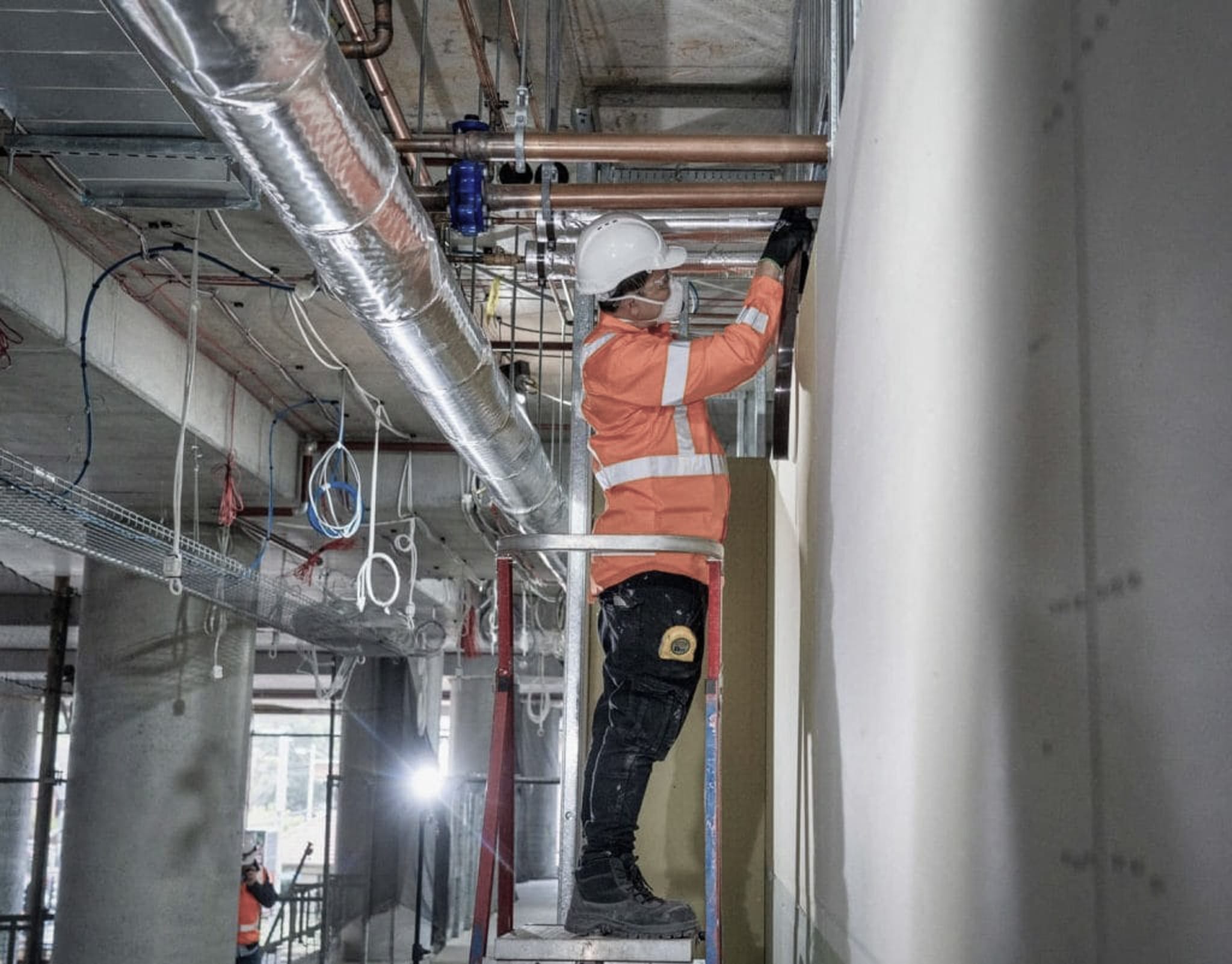
Avoiding Project Delays Due to Fire Compliance Issues
Fire compliance is one of the most common sources of delays in commercial construction projects. For developers and project managers, these delays can impact budgets, timelines, and overall project success.
Understanding how fire compliance issues arise, and how to manage them, is key to avoiding disruptions.
Why Fire Compliance Causes Delays
Fire compliance involves multiple systems, trades, and regulatory requirements. This complexity creates several potential points of failure.
Common causes of delays include:
- Incomplete fire stopping
- Incorrect system installation
- Lack of documentation
- Failed inspections
These issues are often identified late in the project, making them difficult and costly to fix.
The Role of Passive Fire Systems
Passive fire systems are a major contributor to compliance delays.
These include:
- Fire stopping systems
- Fire rated penetrations
- Fire compartmentation
- Structural fire protection
Because these systems are integrated throughout the building, issues can be widespread if not managed properly.
Coordination Between Trades
One of the biggest challenges is coordinating multiple trades.
Electrical, plumbing, and mechanical services all create penetrations that must be sealed correctly.
Without proper coordination:
- Penetrations may be left unsealed
- Incorrect systems may be used
- Fire stopping may be damaged
This leads to significant rework.
Documentation Challenges
Documentation is another major factor in delays.
Councils require:
- Producer statements (PS3 and PS4)
- Inspection reports
- Product documentation
Missing or incomplete documentation can delay approval, even if systems are installed correctly.
Strategies to Avoid Delays
Early Planning
Integrate fire compliance into the project from the beginning.
Engage Specialists
Work with experienced passive fire contractors and inspectors.
Coordinate Trades
Ensure all trades understand fire requirements.
Maintain Documentation
Keep accurate records throughout the project.
Conduct Regular Inspections
Identify and fix issues early.
The Cost of Non-Compliance
Delays caused by fire compliance issues can result in:
- Increased labour costs
- Project overruns
- Delayed handover
- Reputational damage
For developers, these risks can significantly impact profitability.
Conclusion
Avoiding fire compliance delays requires a proactive approach. By planning early, coordinating trades, and maintaining proper documentation, developers can ensure smooth project delivery and successful compliance outcomes.